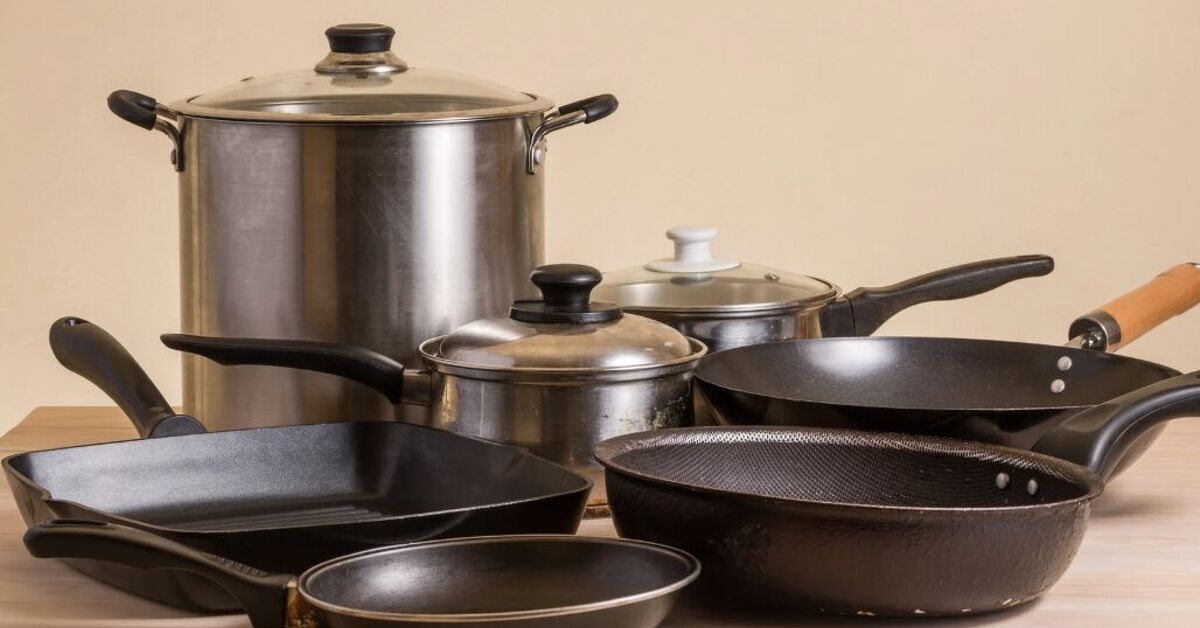
Navigating Kitchen Cookware: A Global Shopping Perspective
The heart of every culinary creation lies not just in the ingredients or the chef's skill, but also profoundly in the tools used. At the core of these tools are the humble yet mighty **kitchen pots and pans**. Far more than mere vessels for heating, these essential items are the unsung heroes that determine how evenly your food cooks, how easily it releases from the surface, and ultimately, the success of your gastronomic endeavors. In an increasingly interconnected world, understanding the vast array of cookware available – from local markets to international e-commerce giants – is key to equipping your kitchen for success, no matter your location or cooking style. This guide will take you on a journey through the multifaceted world of kitchen cookware, exploring materials, types, care, and the smart shopping strategies needed to make informed choices. Whether you're a seasoned chef replacing worn-out favorites or a novice building your first kitchen, selecting the right **kitchen pots and pans** is a foundational step toward culinary mastery.The Foundation of Every Kitchen: Understanding Kitchen Pots and Pans
The sheer variety of **kitchen pots and pans** on the market can be overwhelming. Each material and design serves a specific purpose, offering unique benefits and sometimes drawbacks. Making an informed choice begins with understanding these fundamental characteristics.A World of Materials: Choosing Your Cookware Core
The material of your cookware dictates its heat conductivity, retention, durability, and reactivity. Knowing these properties is crucial for matching pots and pans to your cooking needs.- Stainless Steel: The Versatile Workhorse
Known for its durability, non-reactivity, and attractive finish, stainless steel is a staple in many kitchens. While stainless steel itself is a poor heat conductor, high-quality stainless steel pots and pans often feature an aluminum or copper core (tri-ply or multi-ply construction) sandwiched between layers of steel. This improves heat distribution significantly, preventing hot spots. It's excellent for searing, browning, and sautéing, and relatively easy to clean and maintain. Its non-reactive nature means it won't leach metals into acidic foods or alter their flavor. - Cast Iron: The Enduring Legacy
Beloved for its exceptional heat retention and durability, cast iron cookware is a generational investment. Once properly seasoned, it develops a natural non-stick surface that improves with age and use. Ideal for searing meats, slow cooking, baking, and even frying, cast iron can go from stovetop to oven with ease. While it requires specific care (seasoning, no harsh soaps), its ability to hold and distribute heat makes it invaluable for certain dishes. Heavy and slow to heat, it provides incredibly even cooking once it reaches temperature. - Non-stick Cookware: Convenience for Everyday
Primarily coated with PTFE (Teflon) or ceramic materials, non-stick **kitchen pots and pans** are designed for easy food release and minimal cleanup. They are perfect for delicate foods like eggs, pancakes, and fish, requiring less oil or fat. However, non-stick coatings are generally less durable than other materials and can be scratched or degraded by high heat or metal utensils. Modern ceramic non-stick options often boast better heat resistance and are PFOA/PFOS-free. - Copper: The Professional's Choice for Precision
Copper is celebrated for its unparalleled heat conductivity and responsiveness, allowing for precise temperature control. This makes it a favorite among professional chefs for delicate sauces and confectionery. Copper cookware is often lined with stainless steel or tin to prevent reactivity with food. Its beauty is undeniable, but it requires regular polishing to maintain its luster and is typically the most expensive option. - Aluminum: Lightweight and Responsive
Aluminum is an excellent heat conductor, lightweight, and affordable. However, bare aluminum can react with acidic foods, discoloring them and potentially imparting a metallic taste. To counter this, most aluminum **kitchen pots and pans** are anodized (hard-anodized aluminum), which creates a durable, non-reactive surface. Hard-anodized aluminum offers good heat distribution and is a popular choice for both non-stick and general-purpose cookware. - Glass & Ceramic: Oven-Safe and Non-Reactive
Often used for baking dishes, casseroles, and sometimes saucepans, glass and ceramic cookware are completely non-reactive and oven-safe. They retain heat well and allow you to monitor cooking progress easily. While not ideal for stovetop searing due to their thermal shock sensitivity and slower heat conduction, they are perfect for roasting, baking, and serving.
Essential Types of Kitchen Pots and Pans for Every Chef
Beyond materials, understanding the primary shapes and functions of different **kitchen pots and pans** helps build a versatile collection.- Frying Pans/Skillets: These shallow, sloped-sided pans are indispensable for searing, sautéing, frying, and browning. Available in various sizes and materials, they are the workhorse for daily cooking.
- Saucepans: Featuring tall, straight sides and a single long handle, saucepans are designed for simmering sauces, boiling liquids, cooking grains, and re-heating food. They typically come with lids to reduce evaporation.
- Stockpots: Large, deep pots with two loop handles and a lid, stockpots are perfect for making stocks, broths, soups, boiling pasta, and canning. Their generous capacity is ideal for feeding a crowd.
- Dutch Ovens: Heavy, thick-walled pots (often cast iron, sometimes enameled) with a tight-fitting lid. Excellent for braising, slow cooking stews, baking bread, and making soups. They can go from stovetop to oven seamlessly.
- Sauté Pans: Similar to frying pans but with straighter, higher sides, sauté pans offer a larger flat cooking surface and more capacity. They are ideal for dishes that require more liquid or gentle tossing, such as pan sauces or stir-fries that don't need the intense heat of a wok.
- Woks: A cornerstone of Asian cuisine, woks are deep, rounded-bottom pans perfect for stir-frying, deep-frying, steaming, and braising. Their unique shape allows for quick, even heating and easy tossing of ingredients, embodying a truly global approach to **kitchen pots and pans**.
Smart Shopping for Kitchen Pots and Pans: What to Consider
Purchasing **kitchen pots and pans** is an investment. Thoughtful consideration of your cooking habits, stove type, and budget will ensure you make choices that serve you well for years to come.Matching Cookware to Your Cooking Style and Stove Type
Your kitchen setup and culinary preferences should heavily influence your choices.- Stovetop Compatibility: If you have an induction stovetop, your cookware must have a magnetic base (ferromagnetic material). Stainless steel with a magnetic base, cast iron, and some specialized aluminum pans are suitable. Ensure you check product specifications carefully.
- Oven Safety: Many dishes benefit from starting on the stovetop and finishing in the oven. Check the maximum oven-safe temperature for both the pan and its handles. Plastic handles are typically not oven-safe, while stainless steel, cast iron, and some silicone handles can withstand high temperatures.
- Dishwasher Safety: While some cookware is dishwasher safe, handwashing often extends its lifespan, especially for non-stick or cast iron items. Harsh detergents and high heat can degrade certain finishes.
- Handle Comfort and Security: Ergonomic, stay-cool handles are crucial for comfort and safety. Riveted handles are generally more secure than welded ones.
- Weight and Balance: Heavy pans, like cast iron, offer excellent heat retention but can be cumbersome. Lighter options, like aluminum, are easier to maneuver but may not hold heat as effectively. Choose what feels comfortable for you.
Navigating Brands and Budgets: Quality vs. Cost
High-end brands often justify their price with superior materials, craftsmanship, and warranties. They typically offer better heat distribution, greater durability, and a more pleasant cooking experience. However, there are many mid-range brands that provide excellent value and performance. Sometimes, it's better to invest in a few high-quality, essential pieces rather than a large, low-quality set.
Consider whether you need a complete set or individual pieces. Sets can be cost-effective but might include items you rarely use. Building a collection of individual pieces allows you to tailor your **kitchen pots and pans** precisely to your needs and preferences, choosing the best material for each type of vessel.
Care and Maintenance for Lasting Kitchen Pots and Pans
Proper care significantly extends the life of your cookware.- Stainless Steel: Generally easy to clean with soap and water. For stubborn stains, try a stainless steel cleaner or a baking soda paste. Avoid steel wool, which can scratch the surface.
- Cast Iron: After each use, hand wash with hot water (avoid harsh soaps if possible), scrub with a stiff brush or scraper, and immediately dry thoroughly. Apply a thin layer of cooking oil before storing to maintain seasoning and prevent rust.
- Non-stick: Use only silicone, wood, or plastic utensils to prevent scratching the coating. Handwash with mild soap and a soft sponge. Avoid high heat, as it can degrade the non-stick surface over time.
- Copper: Handwash with mild soap. To restore its shine, use a specialized copper cleaner or a mixture of lemon juice and salt.
- Storage: Protect your **kitchen pots and pans** from scratches by placing felt protectors between stacked items. Hang pots and pans when possible to prevent dings and dents.
